
Popular search
Meeting Rooms London
Meeting rooms across London by the hour or the day, most of them a short walk from a tube station.
Capacity first
Compare venues against the guest count and room setup you actually need.
Useful venue data
Review address, contact details, capacity and venue type from each venue profile.
Native views
Use list and map views from the same listings loop.
Compare Meeting Rooms London
Meeting Rooms London to compare
Switch between list and map views while keeping results focused on this landing page.
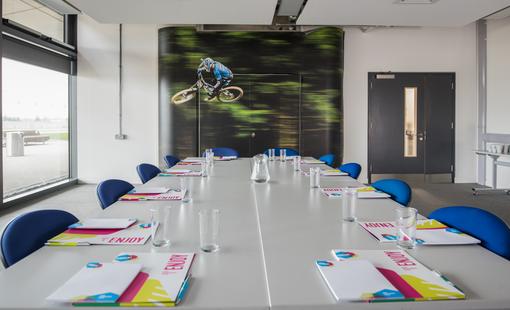
Lee Valley VeloPark
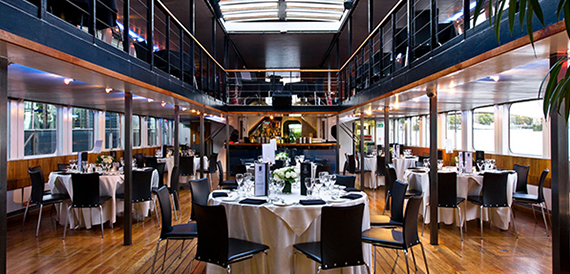
M.V Jewel of London
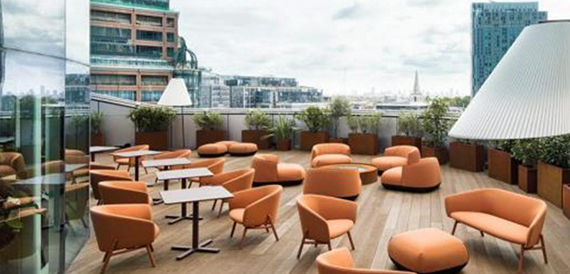
M.V London Belle
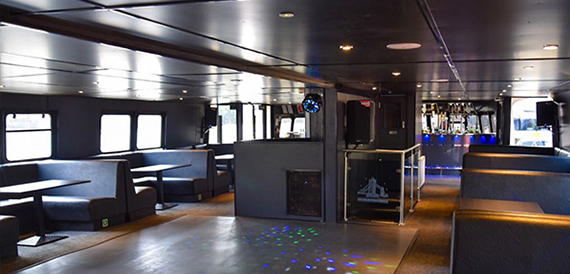
M.V Pearl of London
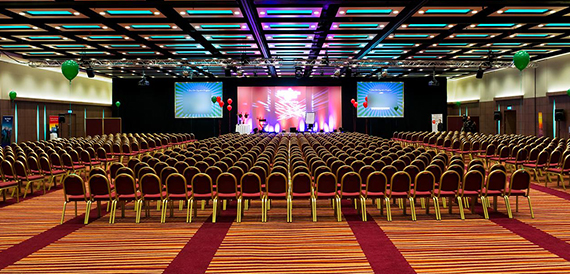
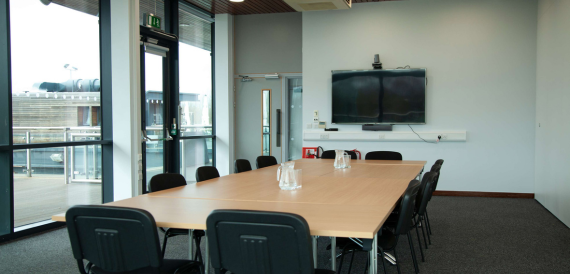
Metropolitan Bushey
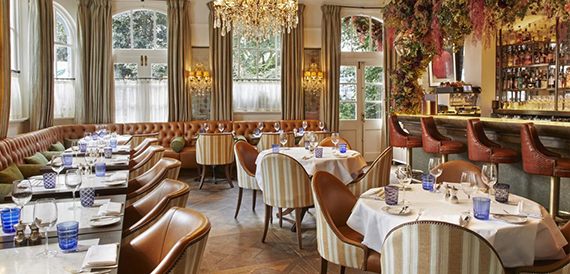
No. Fifty Cheyne
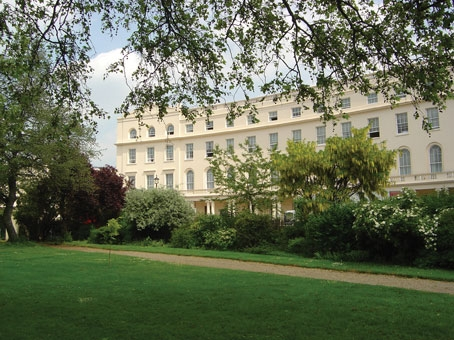
London meeting room guide
What meeting room hire costs in London
A ten person room booked for two hours in Zone 1 will usually cost more than a full day of the same room booked six weeks out in Croydon. London pricing runs on scarcity as much as square footage, and the gap between a quiet Tuesday morning and a Thursday during conference season can be substantial. Anyone who books rooms regularly learns to ask for the rate card rather than trust a single quoted figure.
Hourly hire for a small meeting room, four to eight people, typically runs from around £40-£90 depending on district and specification. Larger boardrooms and training rooms for ten to twenty people tend to sit between £90-£180 per hour. Half day hire (up to four hours) is rarely a straight multiple of the hourly rate. Most venues discount it, so a room quoted at £70 per hour might come in at £220-£280 for a half day. Full day hire (up to eight hours) commonly falls in the £350-£700 range for mid sized rooms, more for premium boardrooms in the City or Mayfair.
Day delegate rates, which bundle the room with refreshments, a working lunch and basic AV, are the standard quote format for anything over about fifteen people. Expect £45-£90 per person as a typical range in London, with premium venues and hotels pushing past £100 per head once a three course lunch or breakout space is added. Outside London, the same day delegate package often costs 20 to 40 percent less, which is why national companies with regional offices sometimes route smaller meetings away from the capital when travel time allows it.
Hourly hire suits short internal catch ups, client presentations or interviews. Day delegate rates suit training days, workshops and anything with an external catering need. Booking by the hour and expecting day delegate service levels is the most common mismatch bookers run into, so it helps to state clearly at enquiry stage which pricing model you want.
Where to look by district
Choice of area affects both price and who turns up on time. A few guiding points from repeat bookers:
- The City and Square Mile. Dense with boardrooms and conference floors aimed at finance and legal clients. Good for formal meetings with visiting counterparties. Prices sit at the higher end, particularly near Bank and Liverpool Street.
- Canary Wharf. Purpose built towers with large floorplates suit bigger training sessions and corporate away days. Strong AV as standard, but the area empties out in the evening, so plan catering and taxis accordingly.
- Westminster and Victoria. A natural fit for public sector, policy and membership organisation meetings, with proximity to Parliament and Victoria coach and rail station useful for delegates coming from outside London.
- The West End and Mayfair. The premium end of the market. Boutique boardrooms and private members’ style venues suit client pitches, board meetings and anything where the setting matters as much as the agenda. Expect the top of the price range here.
- King’s Cross and Euston. A growing cluster of tech and media occupiers, plus direct rail links to the Midlands, north of England and Scotland. Sensible choice when a meaningful share of attendees are travelling from outside London by train.
- Shoreditch and Old Street. Informal, creative venues and coworking meeting rooms with wide price variance, some genuinely cheap options included. Better suited to workshops and design sessions than formal board meetings.
- South Bank and London Bridge. Well served by rail and Jubilee and Northern line access, with a mix of business centres and hotel meeting space. A practical middle ground between price and location.
- Paddington and West London. Useful for meetings that need Heathrow Express or Elizabeth line access, and generally a shade cheaper than the core City or West End markets.
- The Heathrow corridor. Airport hotel meeting rooms cluster here, aimed squarely at meetings involving international travellers who need to land, meet and fly out the same day. Parking is usually easier than anywhere closer to Central London.
Room layouts and realistic capacities
Quoted capacities are often the maximum a fire certificate allows, not a number anyone would actually want to sit in. Ask for a working capacity, not a maximum one.
- Boardroom. A single table, chairs around the edge. Realistic for six to fourteen people depending on room size. Best for discussions where everyone needs eye contact.
- U-shape. Tables arranged in an open rectangle, useful for presentations with some discussion. Typically seats eight to twenty comfortably, fewer than the room’s theatre capacity.
- Cabaret. Small round tables of five to eight, good for workshops with group exercises. A room that seats forty in theatre style might only take twenty four in cabaret.
- Theatre. Rows of chairs facing the front, the most efficient layout for pure capacity. Used for briefings, town halls and presentations with little audience interaction.
- Classroom. Rows of tables and chairs facing forward, suited to training where delegates need to write or use laptops. Takes roughly half the capacity of theatre style for the same floor area.
Always ask what layout a quoted capacity refers to. A room described as holding 30 could mean 30 in theatre or 14 in boardroom, and getting this wrong on the day is an entirely avoidable problem.
What is included as standard versus charged extra in London
Wifi and a screen or projector are usually included as standard now, but flipcharts, extra pads and pens are sometimes an add on, particularly in hotel meeting rooms rather than dedicated business centres. Still water is generally included. Tea, coffee and biscuits often are not, and get charged per person or per round.
Catering is the biggest variable. Business centres frequently include basic tea and coffee in the hourly rate and charge separately for lunch. Hotels tend to build catering into a day delegate rate but charge more for the room alone. Extended hours, meaning anything before 8am or after 6pm, commonly attract a surcharge, as does weekend access at business centres staffed on a standard working week.
Reception cover and security sign in are worth checking specifically in London buildings, many of which require visitors to be registered in advance and shown photo ID at the desk. If you are hosting external guests, ask whether someone will meet them, or whether you need to come down yourself. In secure City and Canary Wharf buildings this is not optional, and forgetting it is a common cause of delegates stuck in a lobby.
Hotel, business centre, coworking space or unusual venue
A hotel meeting room suits client facing meetings where a professional, slightly formal setting matters, and where lunch or an overnight stay for attendees is part of the plan. Service tends to be polished but pricing is rarely the cheapest.
A dedicated business centre is built for exactly this purpose: consistent AV, staffed reception, and rooms that can be booked by the hour with minimal fuss. Good for recurring bookings and interviews.
Coworking spaces offer flexible, informal rooms, often cheaper, and increasingly common in Shoreditch, King’s Cross and similar areas. They suit internal meetings, workshops and smaller teams more than client pitches.
Unusual venues, meaning galleries, members’ clubs, converted warehouses and the like, work well for away days, launches or anything where the venue itself is part of the message, but check AV and catering carefully since these are not always their primary business.
Transport and proximity to a mainline terminus
If a third or more of attendees are travelling in by train, choose a venue within a short walk of the terminus they will arrive at. A meeting near Euston is a poor choice for people arriving into Paddington, even though both are technically Central London. Cross city journeys on the Underground during peak hours can easily add thirty minutes, and a delayed arrival changes the tone of a meeting before it starts.
King’s Cross, Euston, Paddington, Victoria and London Bridge each anchor a cluster of nearby meeting venues for this reason. For meetings involving people flying in, weigh up whether a venue near Heathrow or one closer to Central London, with an Elizabeth line or Heathrow Express connection, works better once transfer time is accounted for.
How to brief a venue and get a comparable quote
Give the venue exact numbers, not a range: confirmed headcount, layout, start and finish time including setup and breakdown, and whether catering is needed. Ask what is included in the quoted price and what counts as an extra, specifically wifi, screen, flipchart, water and any staff cover. Confirm whether the quote is per hour, per half day or a day delegate rate, since comparing across different pricing models is where budgets go wrong.
Ask about cancellation terms and how late you can amend numbers, particularly for catering, and whether VAT is included in the figure quoted. For anything involving visitors, ask how sign in works and whether you need to be present to receive guests. Getting these answers from two or three venues in the same format is the only reliable way to compare like with like, rather than comparing headline hourly rates that hide very different inclusions.
This site is free to search, there are no booking fees, and enquiries go direct to the venue, so you can put the same brief to several options at once and compare answers side by side.
FAQs
Open a venue profile and send the enquiry form with your event date, guest count and message.
Yes. Use the capacity field to narrow results to venues with enough recorded capacity.
Hourly hire is widely available, particularly at business centres and coworking spaces, many of which are built around short bookings. Hotels and larger conference venues sometimes set a two or three hour minimum. If you only need a room for sixty minutes, it is worth confirming the minimum booking period before assuming an hourly rate applies in full.
Same day and next day bookings are possible, especially for small rooms and quiet midweek slots outside peak conference season. Larger rooms, catering and anything needing AV setup benefit from at least a few days’ notice. Contacting several venues directly and asking about today’s availability is usually faster than searching by date filters alone.
Expect roughly £70-£150 per hour for a ten person boardroom in a central location, with City and West End venues at the top of that range and outer zones or business centres further out towards the lower end. Full day hire typically works out cheaper per hour than booking several separate hourly slots.
Wifi and a screen or projector are standard almost everywhere. Flipcharts, stationery and still water vary by venue. Tea, coffee and any catering are frequently charged separately, quoted per person, so always ask for a full breakdown rather than assuming the headline hourly rate covers everything.
Shoreditch, Old Street and parts of South East London generally offer lower rates than the City, Mayfair or Canary Wharf, though the trade off is a less formal setting. King’s Cross and Paddington sit in the middle, combining reasonable pricing with strong transport links.
Most venues can arrange catering directly, from simple tea and coffee to a full day delegate lunch package. External catering is sometimes permitted but check first, since many venues, particularly in managed office buildings, restrict outside food for insurance or building management reasons.
Classroom layout for fifteen typically needs a room rated for around 25-30 in theatre style, since desks and walking space take up more floor area than rows of chairs alone. Always check the layout a quoted capacity refers to before booking, rather than relying on the headline number.
Parking near central venues is limited and often expensive, particularly in the City, West End and Canary Wharf. Venues near mainline stations or with Underground access nearby are usually a more practical choice for attendees than driving in. The Heathrow corridor and outer London venues tend to offer easier on site parking.