
Event type
Private dining venues
Private rooms for a dinner of eight or eighty, with set menus and the table to yourselves.
Capacity first
Compare venues against the guest count and room setup you actually need.
Useful venue data
Review address, contact details, capacity and venue type from each venue profile.
Native views
Use list and map views from the same listings loop.
Compare private dining venues
Private dining venues to compare
Switch between list and map views while keeping results focused on this landing page.
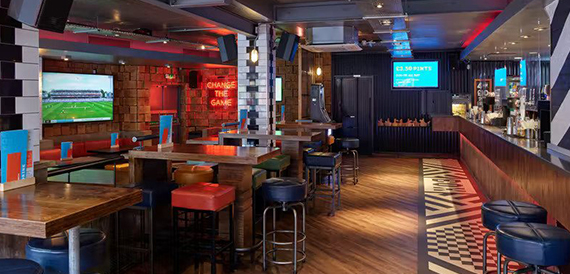
Box Headingley
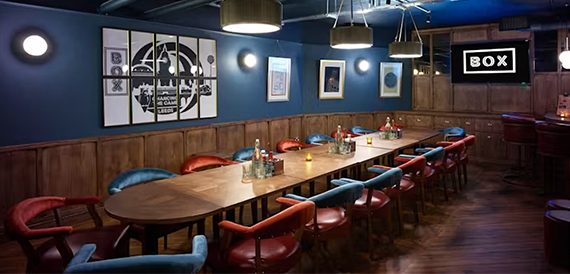
BOX Leeds City Centre
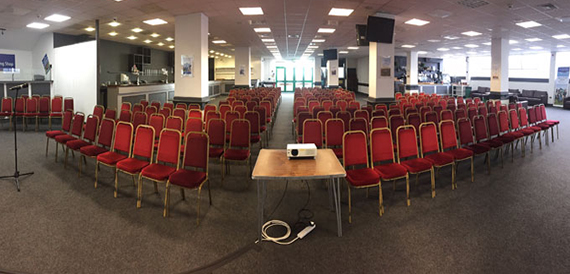
Brighton Racecourse
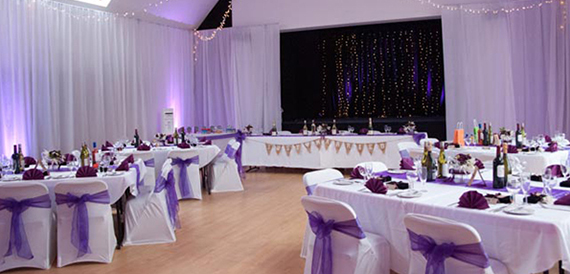
Broad Hinton Village Hall
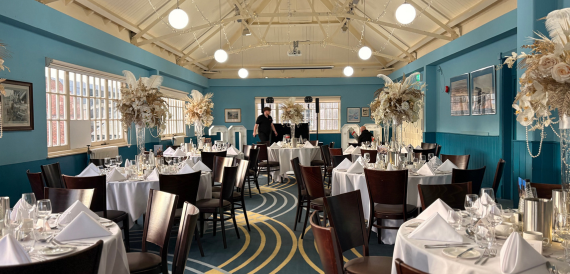
Brooklands Museum
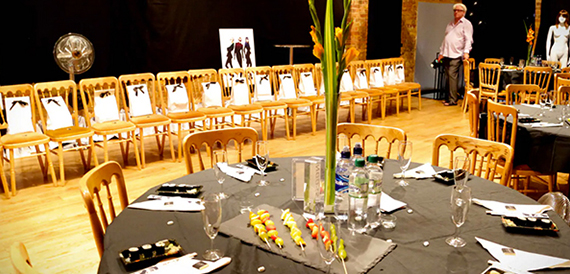
Brunswick Studios
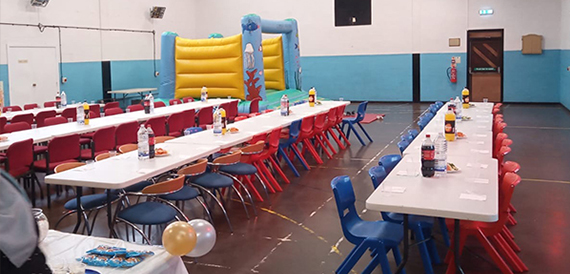
Burnley Boys and Girls Club
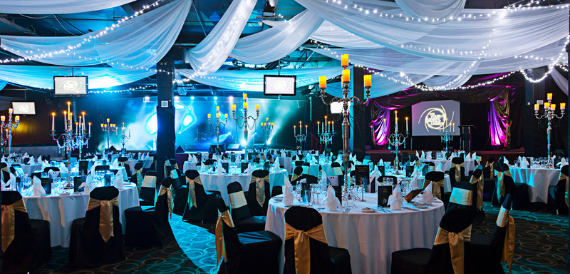
Butlin’s Bognor Regis

Caledonian Hotel
Private dining guide
Private dining rooms give you a space of your own for the evening, no other tables, no noise bleeding in from the main restaurant, and a menu built around your guest list rather than a generic sitting. Whether you’re planning a milestone birthday, a wake, a christening, or a client dinner that needs to go well, hiring a room takes the pressure off and lets everyone hear each other talk. This directory lists hundreds of venues across the UK offering private dining, and it’s free to search with no booking fees, enquiries go straight to the venue.
What private dining costs in the UK
Pricing varies by city, venue type and formality, but most bookings are built around two or three cost elements. Private dining in London and other major cities sits at the higher end of the ranges below; market towns are usually cheaper.
Per-head menu pricing
Set menus typically run from around £30-£45 per head at a gastropub, up to £55-£90 per head at a mid-range restaurant with wine included, and £100-£200-plus per head somewhere higher-end with a tasting menu. Drinks and canapés are usually quoted separately unless you ask for an all-in price.
Minimum spend vs room hire fee
These two terms get used interchangeably but they aren’t the same thing. A
is a fixed charge just for the space. You pay it regardless of what your group eats or drinks, with food and drink billed on top. A
is a threshold your total bill needs to reach; if it falls short, you pay the difference, but if you go over, there’s no separate hire charge at all. Many venues favour minimum spend, particularly for smaller rooms, because it rewards a good turnout rather than stacking a fee on top of a big bill. Indicative minimum spends range from roughly £300-£600 for a small room hosting 8-14 guests on a weekday, up to £1,000-£2,500 or more for larger rooms and weekend evenings, plus a discretionary service charge of 10-12.5% on some bills. This is worth grasping before comparing private dining room hire quotes, since two venues can look differently priced on paper yet cost much the same in practice.
Typical party sizes and what suits each
- 8-14 guests: intimate rooms, often a mezzanine or screened-off section, well suited to birthday dinners and christenings.
- 15-25 guests: the most common size for private dining rooms in the UK, working well for business dinners, engagement parties and wakes.
- 25-40 guests: larger or semi-exclusive spaces, better suited to client entertaining and bigger family gatherings, and often the point at which a venue will ask about plated versus buffet service.
Not every group needs a fully enclosed room: many private hire restaurants also offer semi-private sections as a lower-cost alternative for groups who don’t need full exclusivity.
Occasions people book private dining for
People reach for a private room for all sorts of reasons, and venues are generally well practised at accommodating the tone each one needs: business dinners and client entertaining, where a quiet room matters more than the setting; birthdays and anniversaries, where flexibility on décor and timing helps; wakes, where venues are often quietly practical about short-notice bookings; and christenings, which tend to need a more relaxed, all-ages menu. Being clear about the occasion when you enquire helps the venue suggest the right room and menu.
What to check before you book
- Menu flexibility: can you pre-order a set menu, choose on the day, or request something bespoke for a larger group?
- Dietary requirements: most venues accommodate vegetarian, vegan, gluten-free and allergy needs, but confirm specifics in advance rather than on the night.
- Corkage: if you’d like to bring your own wine, ask whether corkage is permitted and what the fee per bottle is.
- AV for speeches: if there’ll be a toast, check what’s already in the room and whether there’s a microphone.
- Exclusivity: some “private” rooms are still partly open to view or sound from the main restaurant, so ask whether yours will be fully enclosed.
- Service charge: confirm whether the quoted price already includes service, and what percentage will be added to the bill.
How minimum spend works in practice
A venue will usually quote a minimum spend once you’ve given them a date, guest number and sense of the occasion. Food and drink count towards that figure. Extras such as flowers or a DJ typically don’t, so ask what’s included. If your bill comes in under the minimum, you’re charged the shortfall as a flat top-up; if you go over it, which many groups do once drinks are added, you simply pay for what was ordered. Deposits are common, deducted from the final bill rather than charged on top, and cancellation terms vary, so check these before booking, particularly for weekend dates.
FAQs
Open a venue profile and send the enquiry form with your event date, guest count and message.
Yes. Use the capacity field to narrow results to venues with enough recorded capacity.
Expect a minimum spend of roughly £300-£600 for a small weekday booking, rising to £1,000-£2,500-plus for larger rooms or weekends. Per-head menu prices typically range from £30 to £90, with premium venues charging more. Always confirm whether service charge is included.
A hire fee is a fixed charge for the space, on top of whatever you order. A minimum spend is a target your food and drink bill must reach. You pay extra only if you fall short, nothing extra if you exceed it. Many venues favour minimum spend.
Most private dining rooms in the UK comfortably seat between 8 and 40 guests, with 15-25 being the most common range. Smaller rooms suit intimate birthdays, while larger spaces work better for business dinners and client entertaining where numbers run higher.
Many venues ask for a set or semi-set menu to be chosen in advance for larger groups, so the kitchen can plan properly. Some offer more flexibility with a shorter on-the-day menu. It’s worth asking early, since menu choices and dietary requirements are usually needed a few days before the booking.
Policies differ by venue. Some welcome guests bringing their own wine for a corkage fee per bottle, while others require all drinks to be bought on-site. If bringing your own matters to you, ask directly before booking, as it’s rarely advertised upfront.
Yes, particularly on weekdays or for smaller groups, though popular venues and weekend dates can book up weeks ahead. Wakes and short-notice family gatherings are usually accommodated where possible, so it’s always worth enquiring directly with the venue even if your date is close.
No. This site is free to search and charges no booking fees. Every enquiry goes directly to the venue, with no third party involved. Venues pay an annual listing fee to appear here, which is what keeps the site free to use for anyone organising a dinner.