Event type
Unusual Venues
Hire a venue with a story, somewhere with history and character that your guests have never been to before.
A story to tell
Each venue has a history or a character that your guests will talk about.
Atmosphere built in
The building sets the mood, so you need less theming and décor.
Practical detail
Capacities, layouts and what each venue provides, so a memorable space also works on the day.
Compare unusual venues
Unusual venues to compare
venues.org.uk lists unusual and unique venues to hire in London and across the UK, for parties, product launches, conferences, away days and meetings. Each one has a history, a setting or a building with real character, from museums and galleries to stadiums, historic halls and theatres. This means your event starts with something to talk about before anyone has planned the details. Every listing shows real capacities, layouts and what the venue does and does not provide, so you can check that a memorable space also works on the day, and you contact the venue direct with no commission.
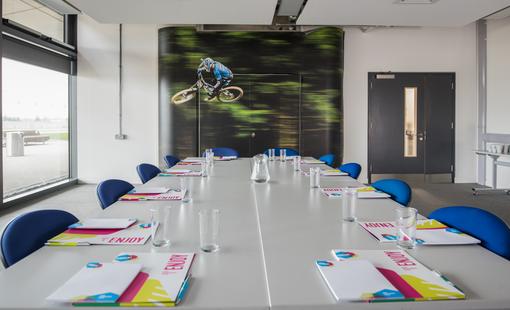
Lee Valley VeloPark
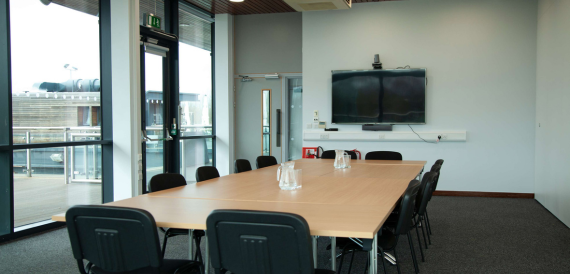

Lumley Castle Hotel
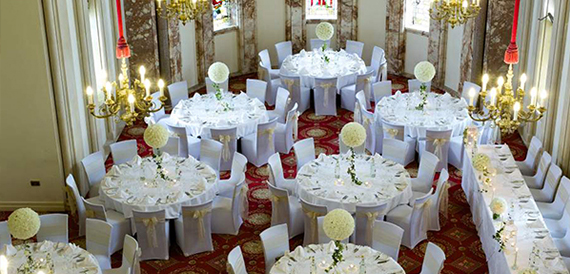
Luton Hoo Estate

Lympne Castle
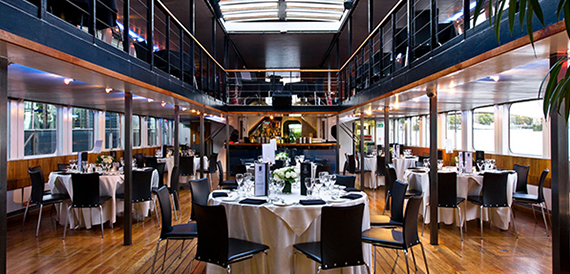
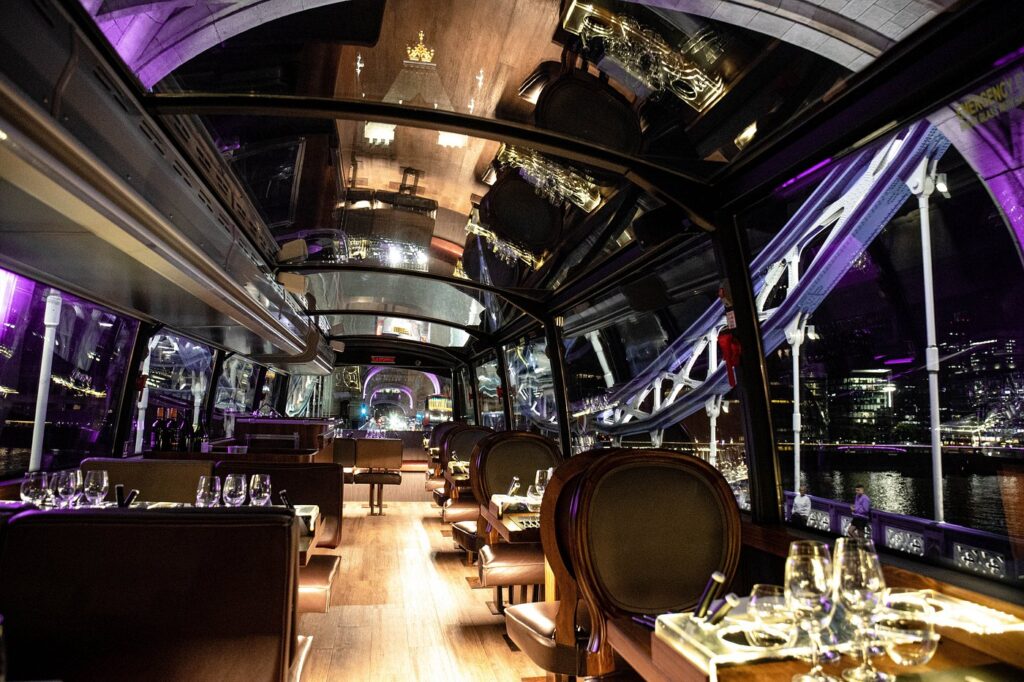
M.V Jewel of London
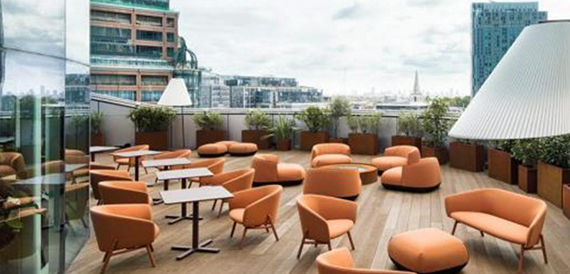
M.V London Belle
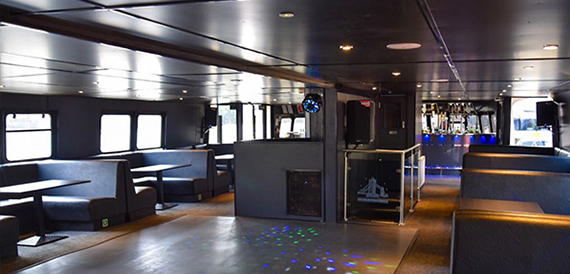
M.V Pearl of London
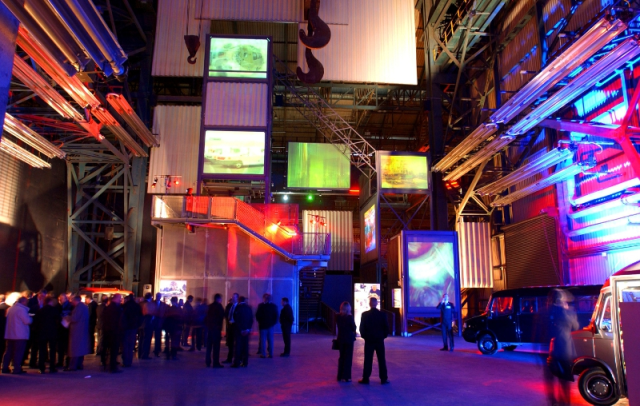
Magna Science Adventure Centre
Unusual venue guide
What counts as an unusual venue
A decommissioned swimming pool, a working cattle shed and a Victorian pumping station have all hosted weddings and parties in the UK. None would turn up if you searched for a hotel function room, which is exactly why couples and event planners look elsewhere. An unusual venue is any space that wasn’t built for events, or a purpose-built space that doesn’t feel like a standard function room. It’s a broad category with a handful of recognisable types.
- Industrial and warehouse spaces: former factories, print works, railway arches and warehouses with exposed brick, steel beams and open floor plans.
- Historic and heritage buildings: manor houses, castles, guildhalls and Victorian institutions with original features you can’t recreate elsewhere.
- Transport venues: Thames barges, narrowboats, decommissioned buses, tall ships and even aircraft hangars.
- Cultural venues: museums, galleries, theatres and libraries, often hired out-of-hours once the public exhibits close.
- Outdoor and rural venues: farms, walled gardens, forests, tipi fields and marquee sites on private land.
- Sporting venues: football and rugby stadiums, cricket grounds and racecourses with function suites overlooking the pitch.
Some venues fall into more than one bracket, a former church converted into a gallery, for example. Whether you call this group quirky venues or unique venues UK wide, the shortlist ends up much the same.
What unusual venues cost and why they often cost more than a hotel
Typical hire fees for unusual venues in the UK run from around £500 to £2,000 for a half day, and £1,500 to £6,000 or more for a full day with exclusive use. Prices vary by region, capacity and season, so treat any figure as a starting point rather than a quote.
A hotel ballroom bundles the room, tables, chairs, catering, staff and licence into one fee. An unusual venue often bundles in nothing beyond four walls and a roof. You pay separately for furniture hire, catering, a licensed bar, insurance, security and cleaning. Add those up and a warehouse or a museum can end up costing more than a mid-range hotel, even when the headline hire fee looks lower.
Heritage venues carry their own premium. Listed buildings need specialist contractors for fixings, cabling or heating, which pushes costs up further.
The practical trade-offs
Dry hire versus all-inclusive
Dry hire means the space only. You bring in caterers, furniture, a bar and often toilets. It costs less on paper, but it takes longer to plan and needs someone managing it, usually you. All-inclusive packages cost more upfront but remove most of that admin.
What you have to bring in
Ask early what’s already on site. Many unusual venues have no kitchen, so caterers work from a marquee or a van. Some have no fixed seating, no bar licence and no cloakroom. Get a full list before you commit.
Power and loading access
Warehouses and rural sites aren’t always on a standard domestic supply. Catering equipment, lighting and bands can trip a weak circuit, so check the amperage and whether a generator is needed. Check loading access too. A narrow doorway or a flight of stairs can rule out a marquee, a piano or a full PA system.
Licensing
Alcohol, music after 11pm and large gatherings usually need a licence, either the venue’s own or a temporary event notice from the local council. Confirm who holds it and who applies for it, in writing, before the date is fixed.
Accessibility in listed buildings
Grade I and Grade II listed buildings can’t always add ramps, lifts or accessible toilets without planning consent. If accessibility matters for your guests, ask directly rather than assuming from photos.
Which occasions unusual venues suit best
Weddings are the biggest driver of demand. Couples looking for unusual wedding venues and unique wedding reception venues tend to want a space with character that doesn’t need much dressing: a barn, a glasshouse or a converted chapel, for example. Unusual party venues work well for milestone birthdays and anniversaries where guests have already seen the standard hotel function room.
Product launches and brand events favour industrial and cultural spaces because they photograph well and give a blank canvas for branding. Away days work best in venues that combine a meeting space with something to do afterwards: a sporting venue, a farm or a boat.
How to shortlist one
Start with capacity and date, then narrow by budget. Ask for exact minimum spend and hire fee figures in writing, not a from price. Visit in person if you can. Photos rarely show ceiling height, acoustics or how far the toilets are from the main room.
Check what’s included, what’s dry hire, and whether the venue has approved suppliers or lets you bring your own. Ask about curfews, especially for outdoor venues, and about parking for guests and suppliers.
Searching is free, there are no booking fees, and enquiries go direct to the venue, so you can compare several before you commit to one.
FAQs
Open a venue profile and send the enquiry form with your event date, guest count and message.
Yes. Use the capacity field to narrow results to venues with enough recorded capacity.
Not always, but budget for extras. Many unusual wedding venues charge a lower hire fee than a hotel but require you to bring in catering, furniture, a bar and toilets separately. Once those are added, the total can match or exceed an all-inclusive hotel package, so compare full totals rather than headline fees.
It varies by type. Barns and industrial spaces often hold 80 to 200 guests, boats typically suit 20 to 60, and galleries or museums range widely by layout. Always confirm capacity for both a seated meal and a standing reception, as the two figures usually differ.
Some do, some don’t. Venues with an existing premises licence can serve alcohol as part of the hire. Others need a temporary event notice from the local council, applied for at least ten working days in advance. Ask the venue directly who is responsible for this before you book.
Often, yes, particularly with dry hire. Some venues insist on an approved supplier list for insurance or kitchen access reasons, especially listed buildings with limited facilities. Confirm whether there’s a working kitchen, water and enough power for catering equipment before you book a caterer.
It depends heavily on the building. Purpose-converted warehouses and modern cultural venues are usually fully accessible. Historic and listed buildings sometimes have steps, narrow doorways or no lift, and planning rules can limit what a venue is allowed to change. Always ask directly rather than assuming from photos.
Popular unusual wedding venues get booked 12 to 18 months ahead, especially for Saturdays between May and September. Unusual party venues for birthdays or corporate events have shorter lead times, often 2 to 4 months, though weekend dates near Christmas fill up fast.
Usually, yes. Many alternative event spaces charge lower fees Monday to Thursday, sometimes 20 to 40% less than a Saturday rate. Midweek hire also makes it easier to negotiate on minimum spend, particularly outside busy wedding and Christmas party seasons.