
Event type
Wedding Venues
Venues licensed for ceremonies, with reception space, catering and rooms for guests staying over.
Capacity first
Compare venues against the guest count and room setup you actually need.
Useful venue data
Review address, contact details, capacity and venue type from each venue profile.
Native views
Use list and map views from the same listings loop.
Compare weddings venues
Weddings venues to compare
venues.org.uk lists UK wedding venues, commission-free, so the price you’re quoted is the venue’s own. From castles and country houses to hotels and unusual spaces, listings show ceremony and reception capacity, civil ceremony licensing, exclusive-use options and catering arrangements, including whether you can bring your own suppliers. Searching by guest number is the fastest way to find a venue that holds your whole day without a changeover.

Great John Street Hotel
Great Yarmouth Racecourse
Greenwoods Hotel & Spa
Grey Street Hotel (Niche Hotels)
Haberdashers’ Hall
Haighton Manor Country House Hotel
Hampton Hill Playhouse
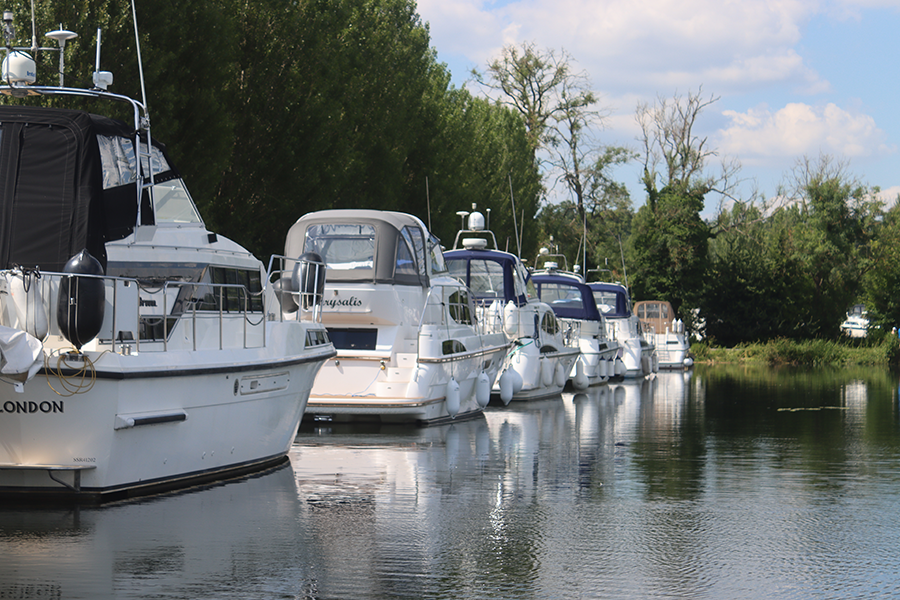
Harleyford Estate & Marina
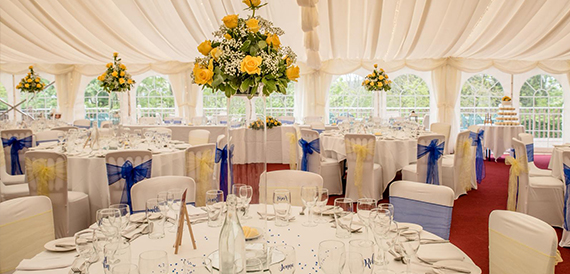
Hatton Court
Wedding venue guide
What UK wedding venues actually cost in 2026
Most venue websites quote one number and leave the rest for the enquiry call. That is where couples get caught out. Venues charge in three main ways, and each behaves differently once guests, suppliers and time are added.
A flat charge for exclusive use of the space, usually for a set number of hours. Typical hire fees for a Saturday in peak season run from around £3,000 to £8,000 for a mid-range venue, and considerably more for country houses, castles or anywhere with sole-use grounds. This fee often has nothing to do with catering.
Common at hotels, pubs and restaurants that don’t charge separate hire. You agree to spend a set amount on food and drink, say £6,000, and if your bill comes in under that you still pay the difference. Ask whether service charge and VAT count towards the minimum or get added on top.
A price per guest that usually bundles room hire, wedding breakfast and sometimes drinks. Typical pricing sits between £85 and £140 per head, though London and the South East run higher. Ask exactly what falls inside that figure, because what counts as a package varies enormously between venues.
means an empty space and nothing else: no catering, no furniture, no staff. Hire fees look cheap, often £2,000 to £6,000, but you then source caterers, a bar, toilets, generators, tables and cleanup separately. Fully kitted out, dry hire often costs the same as a packaged venue, sometimes more. It suits couples who want full control, not those chasing a bargain.
The gap between headline price and final invoice usually comes from extras never mentioned in the brochure: corkage, evening catering, staff overtime, cake cutting fees, linen upgrades, and a Saturday premium that can add 30 to 50 percent over a weekday date. Ask for a sample invoice from a previous wedding of similar size, not just the price list.
Main venue types and who each suits
Ceremony, reception and guest rooms under one roof, with experienced staff and a fixed package. Good for couples who want everything handled without juggling separate suppliers. Less good if you want somewhere distinctly yours, since hotels often run several events the same weekend.
Exposed beams, rustic finish, usually exclusive use for the full day. Good for larger guest lists and couples who want to bring their own caterer and styling. Often colder in winter and further from public transport, so factor in guest travel and accommodation.
Grounds, period rooms and a sense of occasion, generally at the higher end of the price scale. Good for couples prioritising the setting and happy to pay for it. Some carry conservation restrictions on decorations, candles or fireworks, worth checking early.
The cheapest legal route to marry, with short ceremonies and strict time slots. Good for a small, low-cost legal ceremony followed by a separate party elsewhere. Not designed for large numbers or long ceremonies.
Relaxed, usually cheaper per head, and often flexible on numbers. Good for smaller weddings, informal receptions or evening-only celebrations. Fewer hold a licensed ceremony on site, and exclusive use is not always available.
Warehouses, marquees in a field, sports pavilions, boats, museums after hours. Good for couples who want something that does not look like every other venue and are willing to build the day from scratch. Budget more planning time and more contingency for weather, power and toilets.
The licensing question
Not every venue that hosts weddings can legally hold the ceremony itself. In England and Wales, a venue needs approved premises status from its local council before a civil marriage or civil partnership can take place there. Approval covers specific rooms, not the whole building, and is typically renewed every few years.
This matters because plenty of good venues, particularly some barns and outdoor spaces, are not approved for ceremonies. You marry at a registry office or another approved venue first, then travel on to the reception. Not a problem in itself, but it changes your day: two locations, guest transport, less flexibility on timing.
Scotland works differently. Ceremonies can legally take place almost anywhere, including outdoors, because Scottish marriage law does not require the same approved premises licence. If your reception venue is in Scotland, ask specifically whether that flexibility applies rather than assuming it does.
Ask a venue directly: can you hold the legal ceremony here, is the approval current, which rooms does it cover. Do not take we do weddings as confirmation.
Questions couples forget to ask
- Corkage. If you bring your own wine or spirits, what is charged per bottle to open and serve it. Some venues charge so much it wipes out any saving.
- Supplier restrictions. Does the venue require an approved caterer, florist or DJ list, or can you bring your own. Approved lists can mean quality and less risk, or higher prices with no comparison.
- Exclusivity. Is the venue yours alone for the day, or will another event run in a different part of the building.
- Noise curfew. Most licensed venues must stop amplified music by a set time, often 11pm or midnight. Ask the exact time and what happens after it.
- Wet weather plan. If the ceremony or drinks are meant to be outdoors, what is the indoor alternative, and is it genuine or an afterthought.
- Accommodation. Are there rooms on site, how many, and is there a minimum you are expected to book to secure exclusive use.
- What happens if guest numbers drop. If your final count falls below what you booked for, do you still pay the original minimum spend or per head total, and by what date must numbers be confirmed.
Get answers in writing before you book. A verbal assurance at a viewing is not a contract term.
How far ahead to book and how season affects price
Popular venues for Saturdays in June, July and September are often booked 12 to 18 months ahead, sometimes further out for well-known country houses and barns. A flexible date gives far more room to negotiate and more venues to choose from.
Season affects price more than almost anything else. Friday and Sunday dates typically cost 10 to 30 percent less than a Saturday. Weekday weddings can be cheaper still. Winter dates, roughly January to March excluding Valentine’s weekend, often carry the lowest rates of the year, sometimes with lower minimum spends to fill quiet months. If budget matters more than a summer date, a winter Friday is where the biggest savings sit.
How to compare two venues fairly
Price lists rarely share a structure, which makes venues hard to compare like for like. Build your own version instead. For each venue, work out the total cost for your actual guest number, not the number in their sample package. Include VAT, service charge, corkage if relevant, and any known extras such as ceremony fees or extra hours. Divide that total by guest count to get a true per head figure, then compare that number across venues rather than the headline hire fee.
Ask each venue for the same information in the same order: hire fee, minimum spend or per head cost, what is included, supplier policy, curfew, cancellation terms. It sounds tedious. It is also the only way to know which venue is genuinely cheaper once everything is added up. This site is free to search, there are no booking fees, and every enquiry goes straight to the venue, so you can gather this detail directly from the people running the place.
FAQs
Open a venue profile and send the enquiry form with your event date, guest count and message.
Yes. Use the capacity field to narrow results to venues with enough recorded capacity.
Typical venue hire alone runs from around £3,000 to £10,000, with country houses, castles and stately homes often above that. Add catering and the total for hire plus food commonly lands between £6,000 and £15,000, though budget and luxury options sit well outside that range at both ends.
Hire fee is a fixed charge for using the space. Minimum spend is a guaranteed amount you agree to spend on food and drink, with the venue itself sometimes free or cheap to book. If your final bill falls short of the minimum, you pay the difference regardless.
No. In England and Wales, only venues granted approved premises status by their local council can host a legal civil marriage or civil partnership. Always confirm current approval and which specific rooms it covers before assuming a venue can marry you as well as host your reception.
Not necessarily. The hire fee is usually lower, but once you add catering, furniture, a bar, toilets and staff, the total often matches or exceeds a packaged venue. Dry hire suits couples who want full control over every supplier, not those simply chasing a lower cost.
Popular Saturday dates in peak months are often booked 12 to 18 months ahead. Weekday or off-peak dates can sometimes be secured with a few months’ notice, and give you more negotiating room on price.
Most licensed venues charge corkage if you bring your own alcohol, since they hold the drinks licence and are legally responsible for what is served. Rates vary widely, so ask for the exact per-bottle charge before assuming bringing your own wine will save money.
This depends entirely on the contract, which is exactly why it needs to be asked upfront. Many venues fix a minimum spend or per head total based on numbers at a set confirmation date, so a later drop in guests does not always reduce your bill.