
Popular search
Conference Venues London
London conference venues near the mainline stations, with breakout rooms and space for delegates travelling in.
Capacity first
Compare venues against the guest count and room setup you actually need.
Useful venue data
Review address, contact details, capacity and venue type from each venue profile.
Native views
Use list and map views from the same listings loop.
Compare Conference Venues London
Conference Venues London to compare
Switch between list and map views while keeping results focused on this landing page.
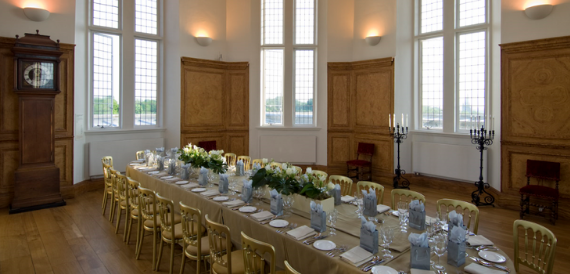
The Royal Observatory
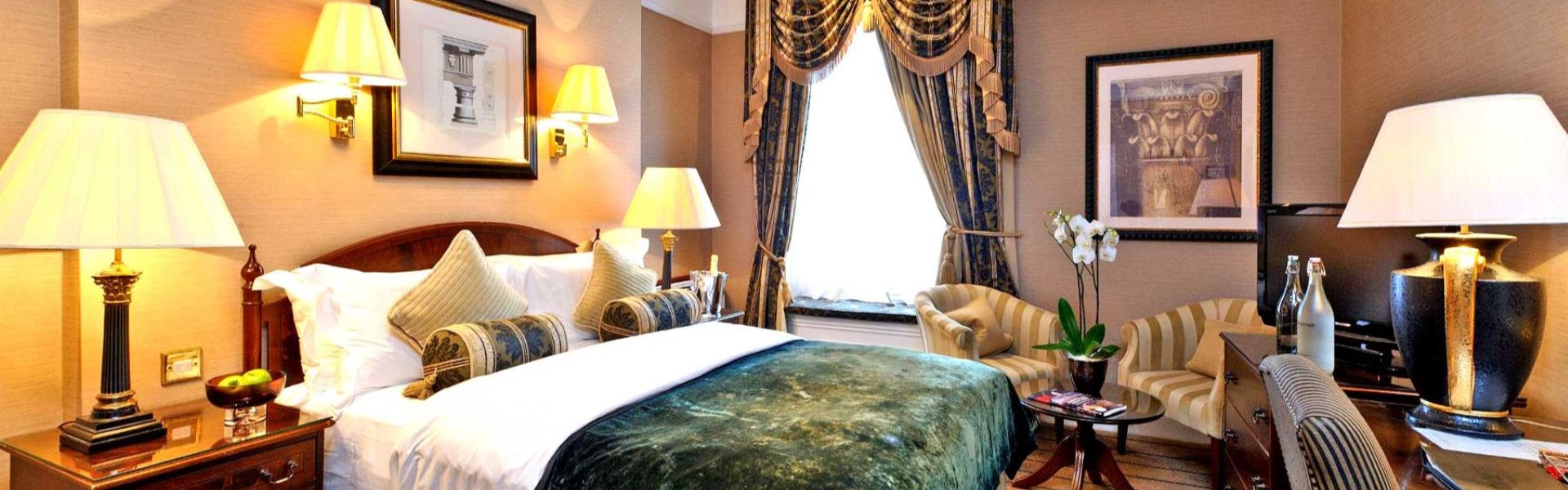
Threadneedles
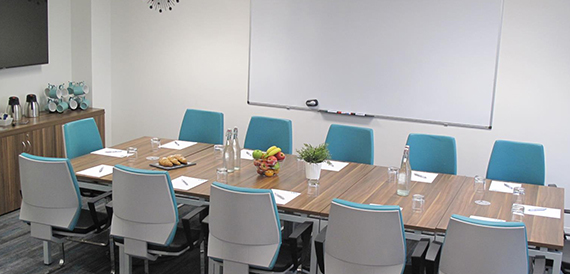
UBC Brentford The Mille
Venue East London
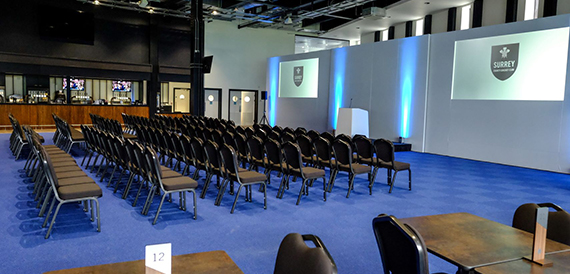
The Kia Oval
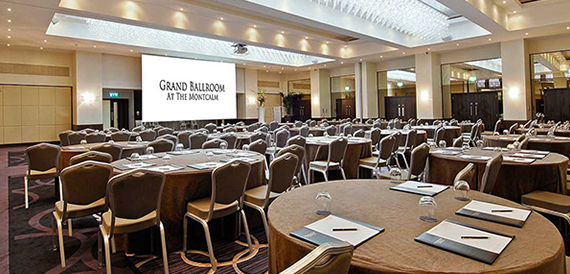
The Montcalm Marble Arch
London conference venue guide
What conference venues in London cost
A day delegate rate quoted for a business park venue in Croydon and one quoted for a livery hall off Cheapside can differ by £60 or more, for a room that looks identical in a photograph. Location, building type and what is bundled into the price account for most of that gap, so it pays to know what each pricing model actually includes before you compare quotes.
The day delegate rate (DDR) is the standard unit for day conferences. It typically bundles room hire, one or two AV essentials, a mid morning and mid afternoon break, and a working lunch, all charged per person. In London, indicative DDRs run from around £45-£70 at a functional business centre or university venue, £70-£120 at a mid range hotel or conference centre, and £120-£180 or more at a five star hotel or a period building in a prime postcode. Outside London, the same tier of venue is often £15-£30 per delegate cheaper, largely reflecting property costs and staffing rather than any real difference in what you get.
A 24 hour delegate rate adds a bedroom, dinner and breakfast to the day package, aimed at residential conferences. In London this typically sits between £180 and £350 per person, again with wide variation by hotel category and district. Where an event runs across multiple days with overnight stays, ask whether the rate is fixed for the group or subject to the hotel’s normal yield pricing, since city centre hotel rates move around major events and trade shows.
Room hire only, with catering and AV sourced separately, suits venues without in house catering, such as galleries, livery halls, members’ clubs and some historic spaces. Expect roughly £800-£2,500 per day for a room taking under 100 people, rising to £3,000-£8,000 or more for larger spaces in landmark buildings. This model gives more control over budget but shifts the admin burden onto you, since catering, furniture and AV all need separate suppliers and separate delivery schedules on the day.
Across all three models, treat quoted figures as a starting point rather than a fixed cost. Minimum numbers, VAT, service charges and out of hours rates all move the final invoice, sometimes substantially. Get a written breakdown before you commit budget to any one venue.
London’s conference districts and what each suits
The City and Square Mile
Livery halls, financial institution venues and boutique conference centres, strong for corporate and finance sector events. Excellent Tube and rail links but quiet at weekends, with limited hotel stock immediately on site compared with the West End.
Canary Wharf and Docklands
Modern, purpose built conference floors with large capacity and strong in house AV, popular with financial and professional services firms already based there. The DLR and Jubilee line make it more accessible than its reputation for distance suggests.
Westminster and Victoria
The natural choice for public sector, policy, membership body and association conferences, close to Parliament and Whitehall. Expect a mix of institutional venues, conference centres and hotels, with strong security awareness built into most operations.
The West End
Hotels, private members’ clubs and period townhouse venues cluster here, well suited to smaller, higher spec conferences and product launches where the venue itself is part of the brand story. Parking is scarce and expensive, so delegates should be routed to Tube and rail instead.
South Bank
A growing cluster of purpose built and cultural venues with river views, good for creative, media and tech sector conferences that want a less corporate backdrop. Waterloo and London Bridge give fast rail access for delegates arriving from outside London.
Kensington and the museum quarter
Large exhibition halls and museum spaces here handle bigger conferences and exhibitions well, alongside grand hotel ballrooms. Ceiling height and daylight are often better than in central townhouse venues, which matters for exhibition stands and larger AV rigs.
The Heathrow and airport corridor
Hotel conference centres near Heathrow suit conferences with a high proportion of international or regional delegates flying in, or events where a same day return matters. Room rates are generally lower than Central London, and free parking is far more common.
Stratford and East London
Newer conference and exhibition venues built around the Olympic Park offer large floorplates and good technical infrastructure at prices below the City and West End. The Elizabeth line has cut journey times from Central London and Heathrow significantly.
Capacity tiers and what type of venue fits each
- Under 50 delegates: boardrooms, meeting suites, smaller period rooms and members’ clubs. Look for natural light and a room that does not feel oversized for the group, since a cavernous space with 30 people in it kills energy.
- 50 to 150 delegates: the core conference market. Hotel function suites, dedicated conference centres and mid sized livery halls all compete here, usually with breakout rooms available for workshops or parallel sessions.
- 150 to 500 delegates: purpose built conference centres, larger hotel ballrooms and exhibition venues with tiered or flat floor options. In house AV and event management support become more important at this size, since the margin for error grows with the audience.
- 500 plus delegates: exhibition centres, arenas and the largest conference venues in east and South East London. Rigging capacity, loading bay access and crowd flow planning matter as much as the room itself at this scale.
The AV and technical questions that matter more in London
London has more period and listed buildings converted for conference use than most UK cities, which brings genuine technical constraints that a generic venue checklist will not flag.
- Rigging: confirm what can be flown from the ceiling and whether ground supported truss is required instead. Listed buildings often restrict fixing points entirely.
- Ceiling height: period rooms can have ceilings under 3 metres in places, which limits screen size, lighting rigs and any staging with a backdrop. Always ask for the exact height, not a vague description.
- Power: older buildings were not built for modern AV loads. Check available amperage and whether a generator or additional supply is needed for larger rigs or catering equipment.
- Hybrid and livestream capability: ask specifically what bandwidth is guaranteed, not just available, and whether a dedicated technician is included or charged separately for a live broadcast.
- In house versus external AV: in house teams know the room and are usually faster to problem solve, but exclusive supplier arrangements can push costs above what an external company would charge for the same kit. Ask early whether outside AV suppliers are permitted.
Accessibility, transport and why postcode beats distance in London
A venue eight miles from your office by road can be twenty minutes away by Tube, while one three miles away might take an hour on the wrong bus route. Distance in miles is close to meaningless in London. Postcode and nearest station tell you far more about real journey times for your delegates than distance on a map ever will.
Check step free access from street to conference room, not just at the main entrance, since many period buildings have accessible ground floor entry but stairs to the main room. Confirm accessible toilets, induction loop availability and lift capacity if delegates need to move between floors during breaks. For delegates travelling from outside London, proximity to a mainline station with luggage storage matters as much as proximity to the venue itself, particularly for residential conferences with same day arrivals.
When to book and how London conference seasonality works
Demand for London conference venues peaks in March, June, September and October, when corporate calendars cluster around quarter ends and the autumn conference season. Availability tightens further around major trade shows and exhibitions, when hotel rates across a district can rise sharply regardless of your event’s size. For a conference over 150 delegates in a popular venue type, book six to nine months ahead. Smaller meetings and boardroom bookings can often be secured with six to eight weeks’ notice, though flexibility on date will always widen your choice and improve your rate. December and August are the quietest months, with venues more open to negotiating on price and minimum numbers.
A shortlisting checklist
- Confirm the pricing model (day delegate rate, 24 hour rate or room hire only) and get a full breakdown before comparing quotes.
- Check ceiling height and rigging points if AV or staging is central to the event.
- Ask whether AV is in house, exclusive or open to external suppliers.
- Verify step free access through to the actual conference room, not just the entrance.
- Confirm nearest station and realistic journey time, not distance in miles.
- Check power capacity if you are bringing significant lighting, staging or exhibition equipment.
- Ask about minimum numbers, cancellation terms and whether rates are fixed or subject to change.
- Confirm hybrid or livestream bandwidth in writing if broadcasting is part of the event.
Searching this directory is free, with no booking fees added at any stage, and enquiries go straight to the venue rather than through a third party. That keeps pricing conversations direct between you and the people who will actually run your event.
FAQs
Open a venue profile and send the enquiry form with your event date, guest count and message.
Yes. Use the capacity field to narrow results to venues with enough recorded capacity.
Day delegate rates typically run from around £45 at simpler venues to £180 or more at five star hotels and prime period buildings, with £70-£120 covering the bulk of mid range bookings. The final figure depends on district, catering standard and how much AV is bundled into the rate rather than charged separately.
A day delegate rate covers room hire, breaks, lunch and basic AV for a single day. A 24 hour rate adds a bedroom, dinner and breakfast, aimed at residential conferences where delegates stay overnight. In London, 24 hour rates typically sit between £180 and £350 per person.
East London, including Stratford, and the areas around Heathrow generally offer lower rates than the City, West End or Westminster, partly because property costs are lower and partly because these areas have more purpose built, large capacity venues competing on price rather than heritage or address.
For events over 150 delegates, six to nine months is sensible, especially if your dates fall near major trade shows or the September to October conference season. Smaller meetings can often be booked six to eight weeks out, though flexibility on date usually secures a better rate.
Some do, particularly hotels and conference centres quoting a day delegate rate, but the level of AV included varies widely. Room hire only venues generally exclude AV entirely, requiring a separate external supplier, so always ask exactly what equipment and technical support is bundled before comparing prices.
Match the venue to your realistic attendee number rather than your aspirational one. A room built for 300 with 90 people in it feels empty and flat. A room built for 100 with 140 squeezed in feels chaotic. Ask venues for their comfortable capacity, not just their maximum.
Yes. West London and the Heathrow corridor suit conferences with a significant number of delegates flying in, since journey times to the airport are short and hotel rates in the area tend to run below Central London for a comparable standard of venue.
No. Searching is free and there are no booking fees added to your event cost. Enquiries go directly to the venue, so any pricing discussion happens between you and the venue itself, not through a third party taking a commission on your booking.