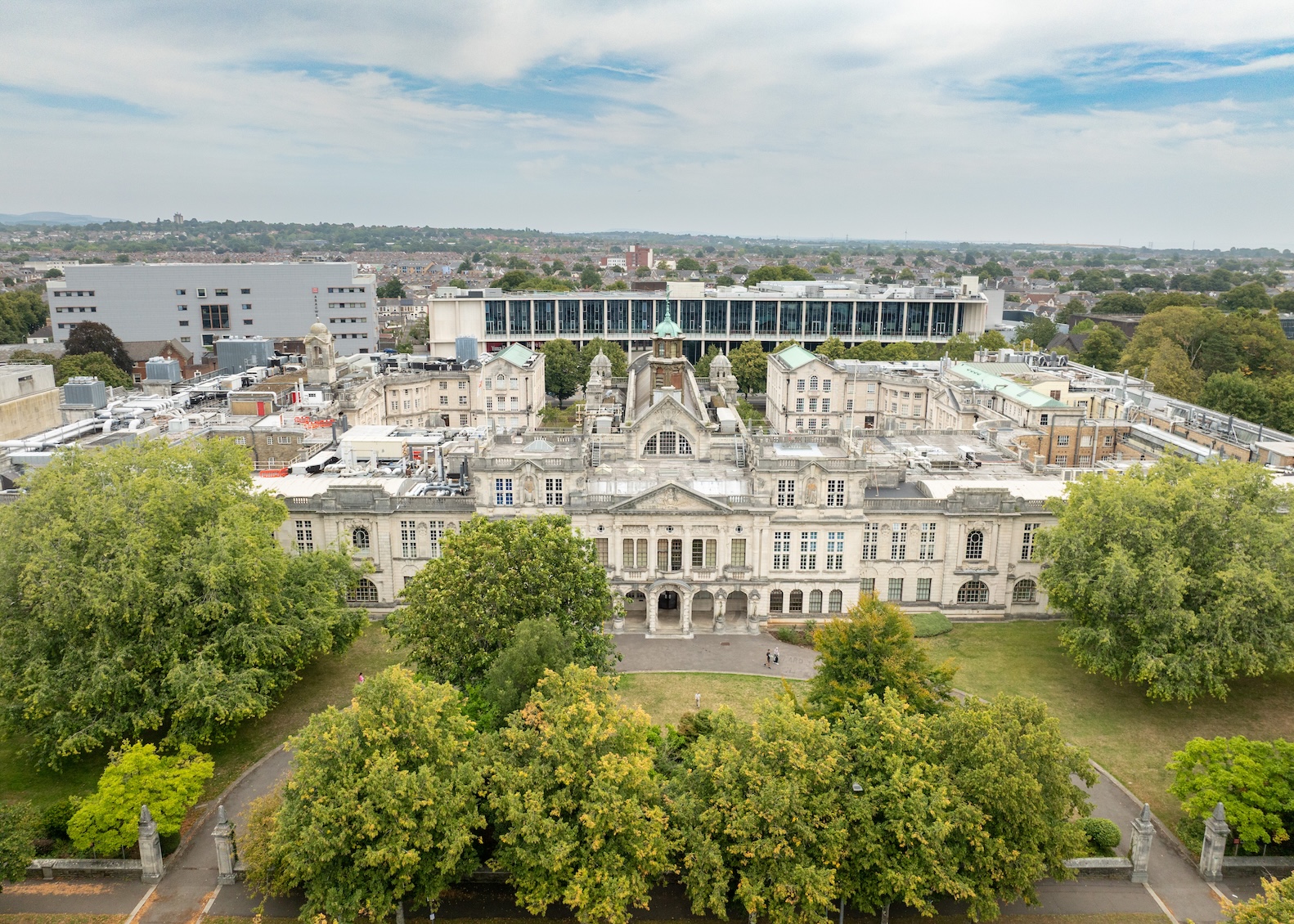



Choosing between a countryside venue and a city venue often comes down to what the event needs to achieve, rather than personal preference. Both offer genuine advantages, and the right choice depends on delegate numbers, budget, travel patterns and the tone you want to set.
Accessibility and travel
City venues generally win on transport links. Stations, airports and motorway access mean delegates travelling from across the UK, or internationally, can reach the venue with minimal disruption. Countryside venues can still work well for regional or single-organisation events, but they usually mean longer travel times and more reliance on cars or coaches, which is worth factoring in for delegates without their own transport.
Cost
Countryside venues, particularly country houses and rural conference centres, often offer more competitive day delegate rates than comparable city centre spaces, partly because of lower property costs. City venues can offset this with better public transport links, which may reduce delegates' own travel and overnight costs even if the room hire itself is pricier.
Accommodation and delegate experience
Many countryside venues operate as full residential properties, with bedrooms, dining and leisure facilities on site. This suits multi-day conferences, incentive trips and events where keeping delegates together, away from external distractions, adds value. City venues typically rely on nearby hotels, which gives delegates more choice but less of a self-contained experience.
Breakout space and atmosphere
Countryside venues tend to offer larger grounds, which is useful for team-building activities, informal networking or outdoor breakout sessions. City venues make up for this with proximity to restaurants, bars and cultural attractions for evening entertainment, without needing to organise transport.
Connectivity and technical infrastructure
City venues, particularly newer conference centres and hotels, are more likely to have robust AV and hybrid event infrastructure as standard. Rural venues vary considerably. It is worth checking connectivity and technical support in advance, especially for hybrid or livestreamed events.
Which suits which event
- Board meetings, incentive trips and away days: countryside venues, for focus and a self-contained residential setting.
- Large conferences, exhibitions and hybrid events: city venues, for transport access and technical infrastructure.
- Team-building and CSR-focused events: countryside venues, for outdoor space and activities.
- Time-sensitive, single-day meetings: city venues, for ease of access.
There is no universal answer. The best approach is to map the event's core requirements, delegate numbers, budget, technical needs and desired atmosphere, against what each venue type does well.